

From MBI
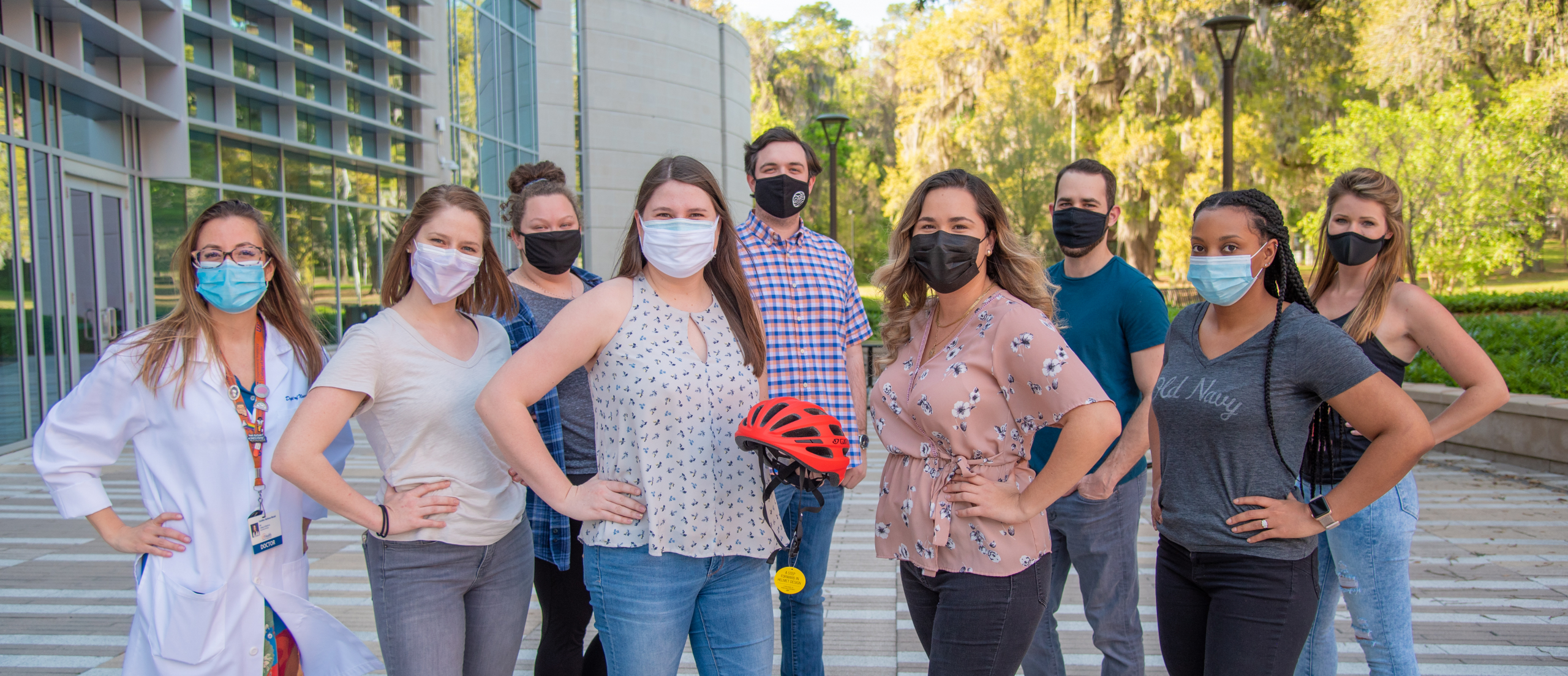
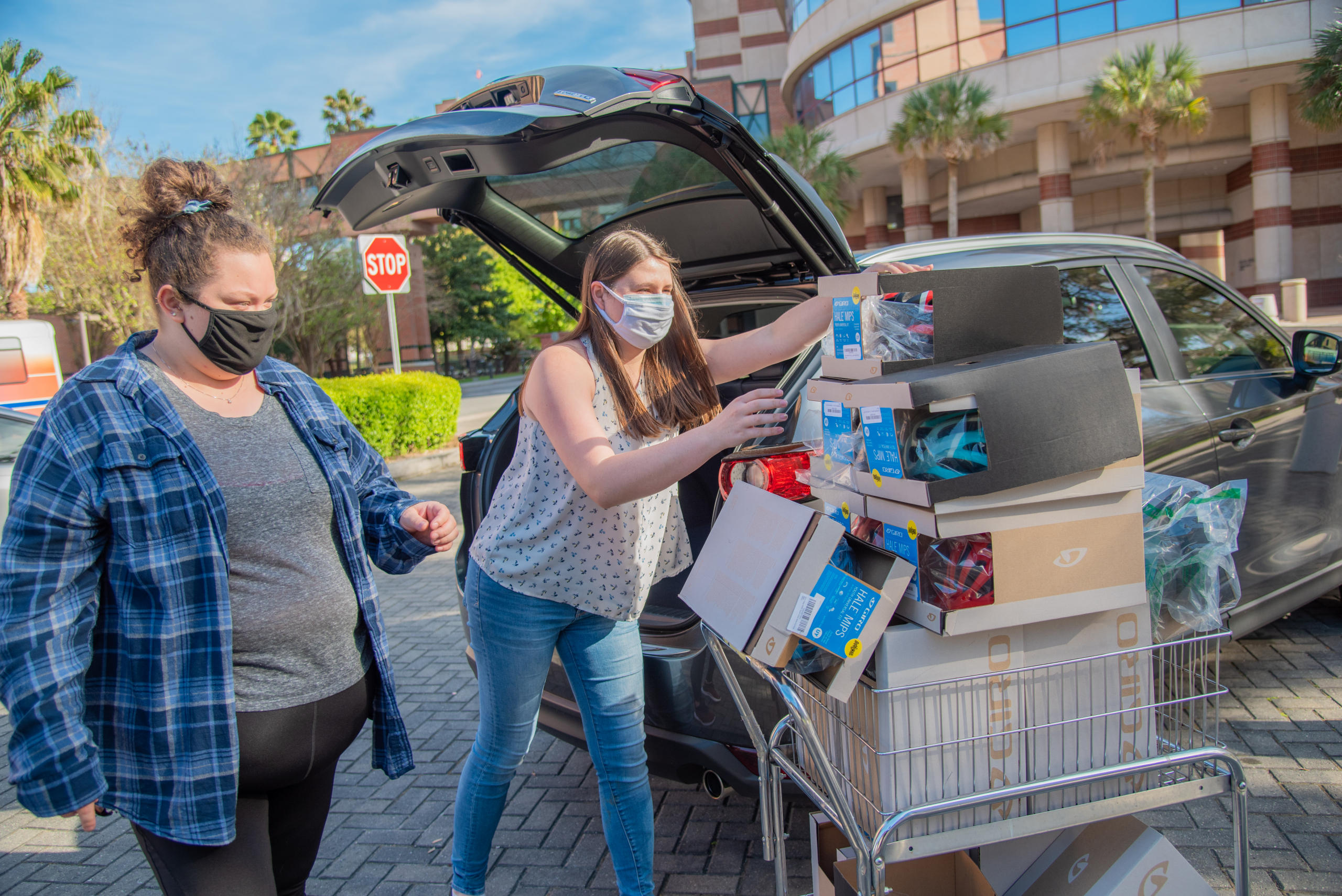
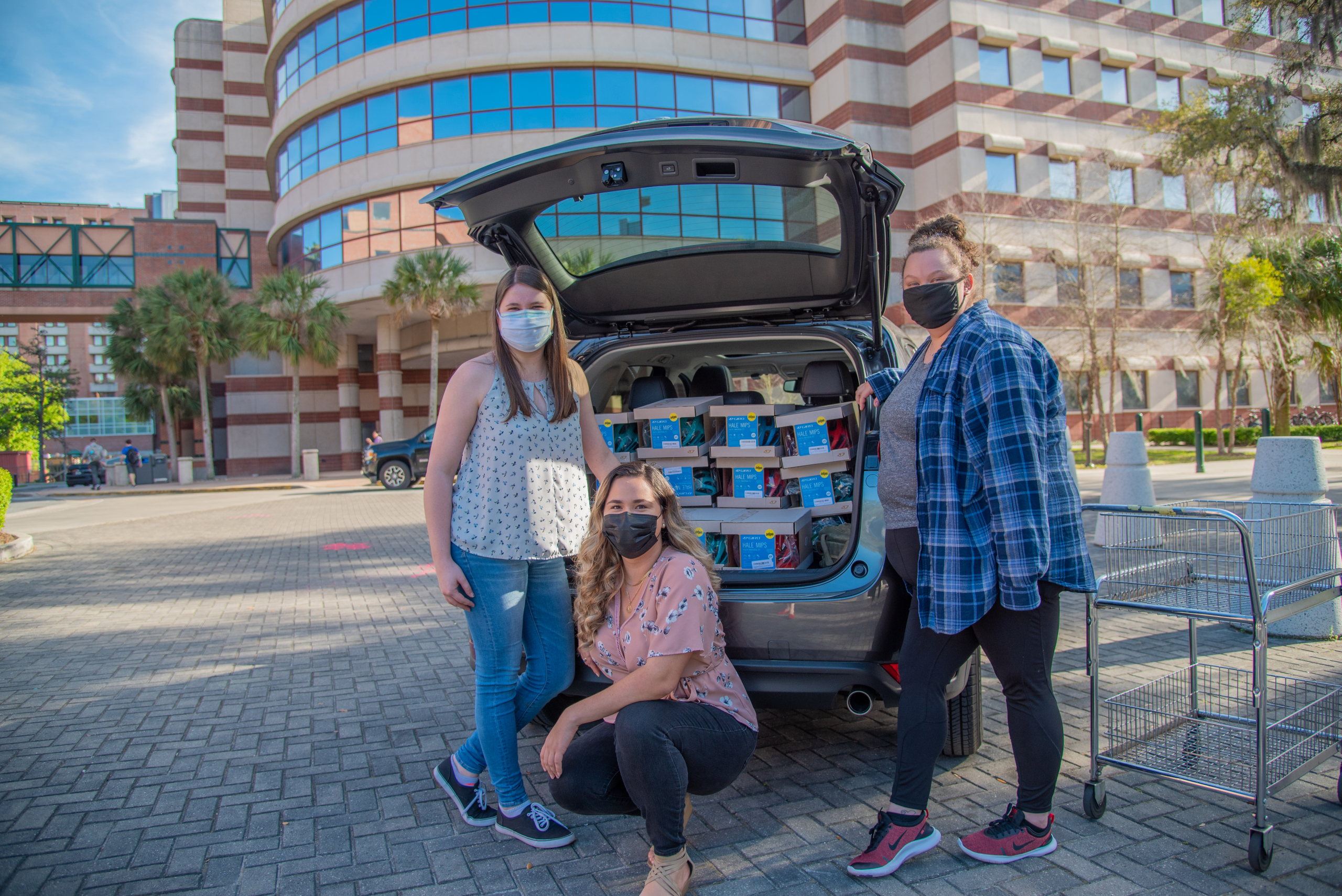
The week unofficially kicked off on March 12 with a bicycle helmet handoff between UF students and the BRAIN Center. The helmets were given away as prizes to a student at each of the 20 participating schools.
“We stressed how important the brain is and what can happen if the brain is injured,” said Eliany Perez, vice chair of North Central Florida SfN’s Brain Awareness Week efforts and a UF graduate student. “We let the kids know that the best way to protect their brain it is to wear a helmet.”
BRAIN Center director Michael Jaffee, M.D., said that according to CDC researchers, each year around 280,000 children experience a traumatic brain injury caused by sports or recreation.

“With proper education about helmet usage and safety, many of these injuries are preventable,” Jaffee said. “A little education about protecting a child’s brain can have a lifetime of benefit.”
In addition to brain safety, the UF students taught grade schoolers about the brain through various interactive online activities. These ranged from identifying mammal brain images to a hands-on “five senses and brain tricks” activity. UF students delivered bags to the schools containing materials for the activities.
For the five senses task, students performed a “super-taster” test by placing a strip of paper on their tongues; if the paper tasted bitter, that meant they were a super taster.
Then, kids learned how smell influences taste through a jellybean demonstration. They placed one jellybean in their mouths and plugged their noses. Once they unplugged them, the jellybeans turned from indistinctly sweet to full of a specific flavor.
“It’s really fun to see them discover how our senses are so connected,” said Sara Pickernell, president of the North Central Florida SfN chapter and a UF graduate student. “They can’t wait to go home and show their parents.”
Despite the virtual platform, the outreach efforts expanded beyond what the UF students had hoped.
“We reached kids that we may not typically be able to during normal Brain Awareness Week,” Pickernell said. “There were some e-school kids that we were able to connect with and also do some activities with, so that was fun.”
The UF students hope to foster a wonder and curiosity among young people about the brain that they will pursue into the future.
“It’s great for younger kids to get exposed to learning about the brain at a young age,” Pickernell said. “For the high schoolers, it’s a fun opportunity to be able to see college undergraduates and graduates and what they’re doing and what they’re passionate about and then ask them questions like, ‘what was your trajectory and how can I do that?’”
Both Jaffee and Carolina Maciel, M.D., director of research for UF’s neurocritical care division and BRAIN Steering Committee member, stressed the value of engaging youth to further neuroscience.
“Innovation is a part of being young and creative,” Maciel said. “Young investigators can literally transform the lives of people by making groundbreaking discoveries and research.”
Jaffee added, “There is so much left to be discovered about the brain and how it changes in response to injury and disease. The children who engage in Brain Awareness Week now may eventually solve the problems that vex neurologists and neuroscientists today.”
Coordinated by the Dana Foundation, a private philanthropic organization that supports brain research, Brain Awareness Week is celebrated each March by more than 5,600 partners in 120 countries to raise public awareness of the progress and benefits of brain research.
UF students interested in getting involved with Brain Awareness Week 2022 efforts can email: nflsfnchapter@gmail.com.